
Historical Context
The year was 1919. The Great War had just ended and the world was reconciling with a collective death of an estimated 30 million military casualties and 8 million civilian deaths from genocide and war-related causes. It was also a time of intense social and political change with such events as the red summer racial riots as well as the beginning of the first red scare.
That same year, the Centralia Tragedy just to Toledo’s north occurred when unionist Industrial Workers of the World (also called Wobblies) supportive of labor movements, immigrants and workers rights clashed with members of the American Legion, a group founded by post war veterans to “Americanize” immigrants and promote nationalist ideals. The subsequent lynching of unionist Westley Everest attracted national attention and is considered to have contributed to the first red scare. No person was ever charged or even investigated for the extrajudicial murder of Westley Everest or the Armistice Day hall raid that ushered in the Centralia Tragedy.
During all this social and political upheaval a group of Washington dairymen made a bold move to support their local community first by cutting out the middle man and keeping production directly in the hands of local farmers. Rather than pay someone else, they decided to pool their resources and build their own production plant.
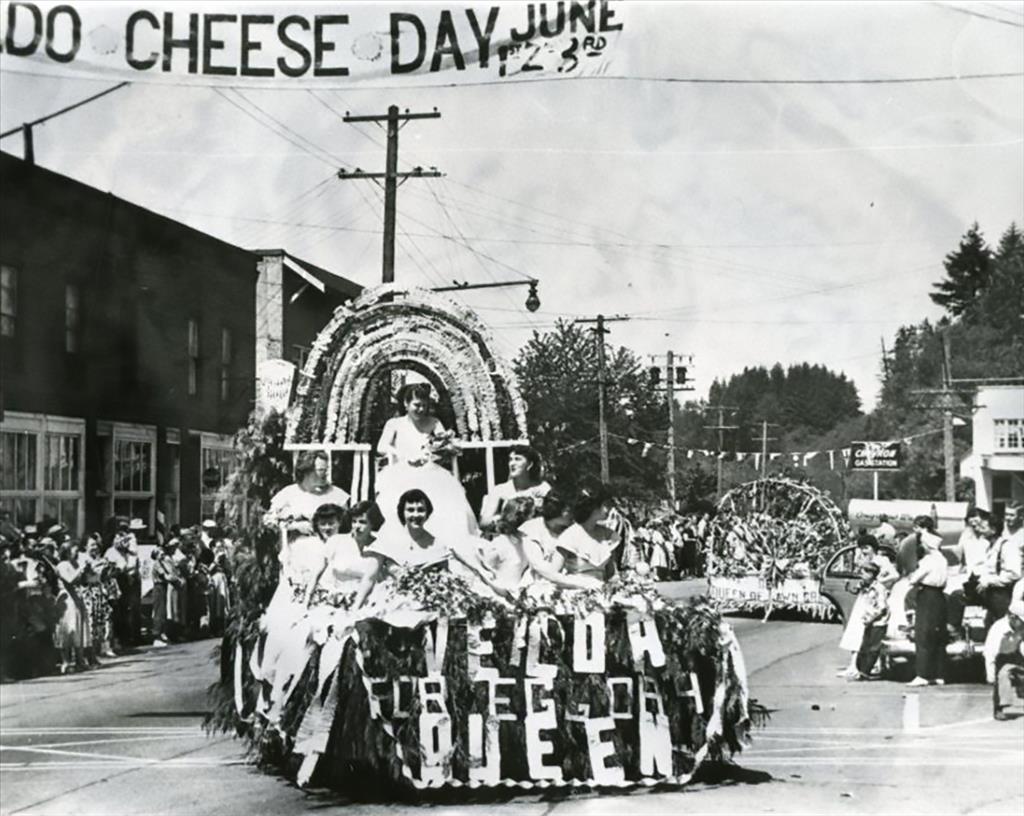
It’s said the first Cheese Days occurred a few months later in June 1919 when some 100 co-op members gathered at Day’s Grove and celebrated their first monetary distribution from their factory with coffee and free cheese sandwiches showcasing their fine Cowlitz Cheddar. They had such a good time of it they decided to do it again the next year and so a century old community tradition was born.
First Cheese Days
Cooperative Association Formed
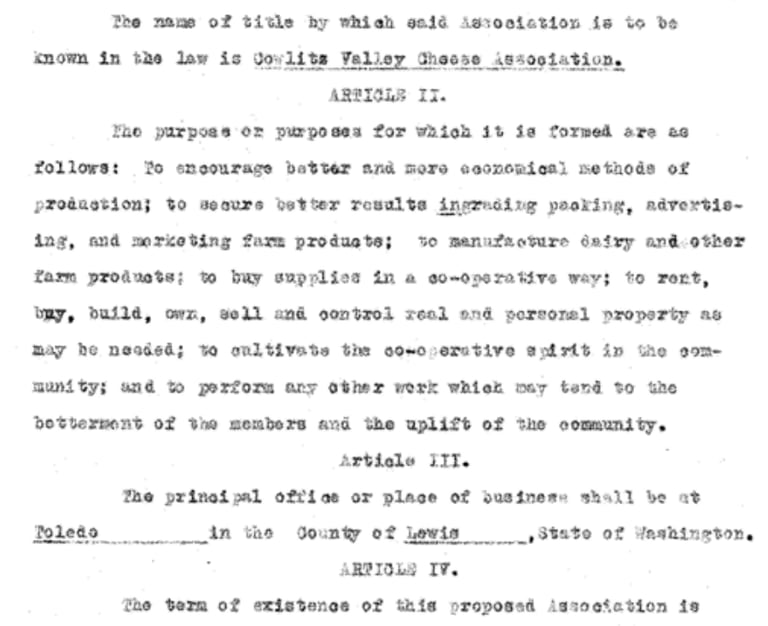
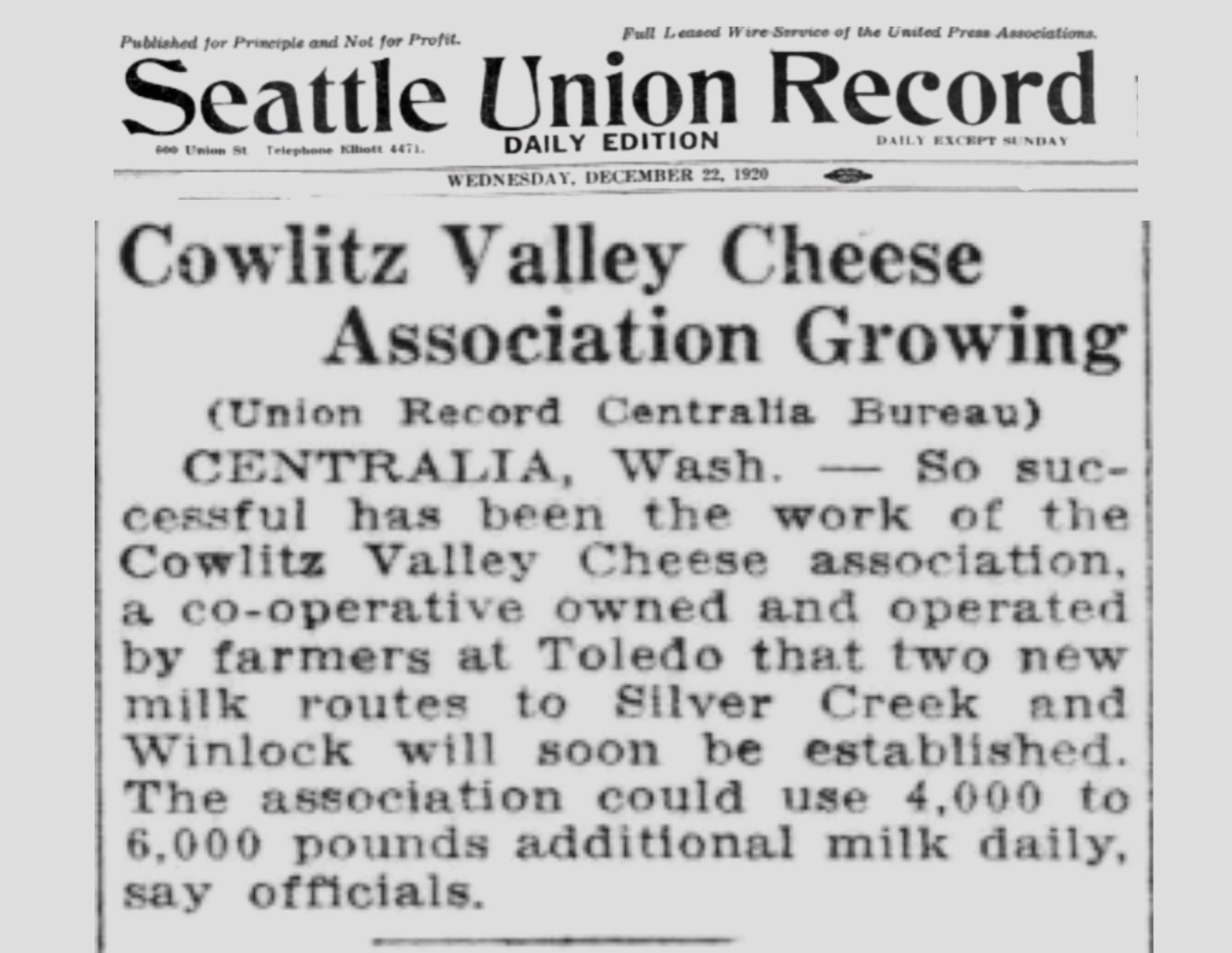
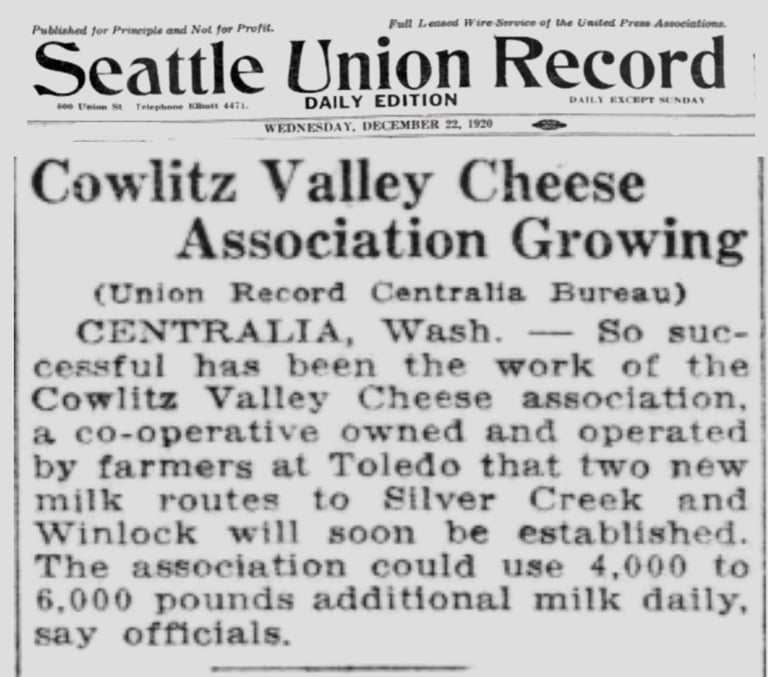
The Cowlitz Valley Cheese Association was a farmer owned cooperative initially formed on February 14th 1919 with a stated purpose “to encourage better and more economical methods of production: to secure better result in grading packing, advertising and marketing farm products; to manufacture dairy and other farm products; to buy supplies in a co-operative way; to rent, buy, build, own, sell and control real and personal property as may be needed; to cultivate the co-operative spirit in the community; and to perform any other work which may tend to the betterment of the members and the uplift of the community”.
Early Years
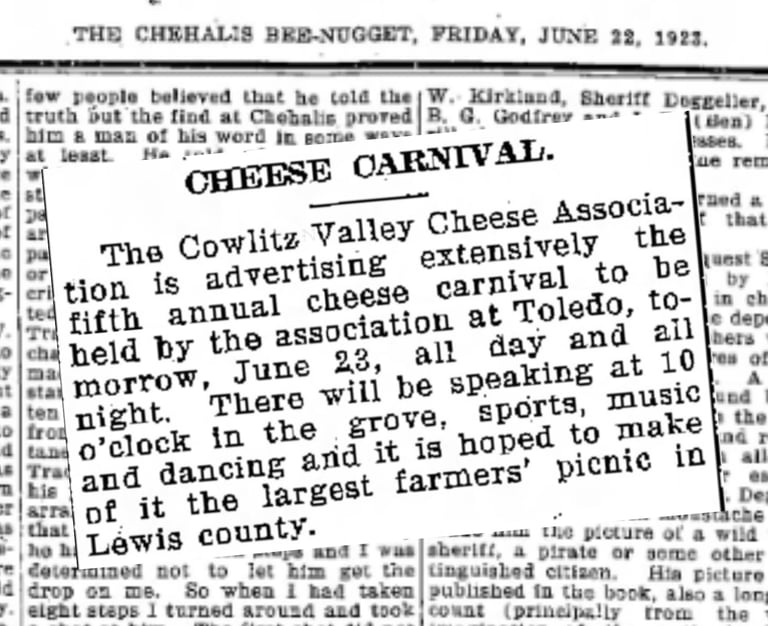
Within a few short years of formation, the Cowlitz Valley Cheese Association would advertise extensively their “Cheese Carnival” as the largest farmers picnic in Lewis County - always with music in the streets and cheese sandwiches featuring the finest Cowlitz Cheddar. Toledo became regionally known for this community festival, pride in their high quality product and their cooperative ownership of it. In the first three years of operation the cooperative plant handled 8,145,371 pounds of milk produced by the dairymen of the territory, for which they received $223,003.71 net to co-op owners.
In 1922, secretary for the Washington State Chamber of Commerce T.J. O’Connor was quoted in the Chehalis Bee-Nugget newspaper after attending the fourth annual Cheese Carnival and giving his thoughts on the Toledo community.
Concerning the word ‘cooperation’, O'Connor said: “There is no word in general use so much misunderstood. It does not mean ‘federation’ nor not yet ‘amalgamation.’ Cooperation means working together to a common end. Like public spirited men in any other business, farmers are cooperating to promote the general prosperity. So, in the cooperative concern established here in Toledo, the Cowlitz Valley farmers are not simply benefiting themselves, but are building up the entire community. Let Toledo lose this industry, or let this industry lose its identity as a community enterprise and this entire section will suffer loss. The motto for every community should be ‘All for One and One for All’.
Cooperative Sale
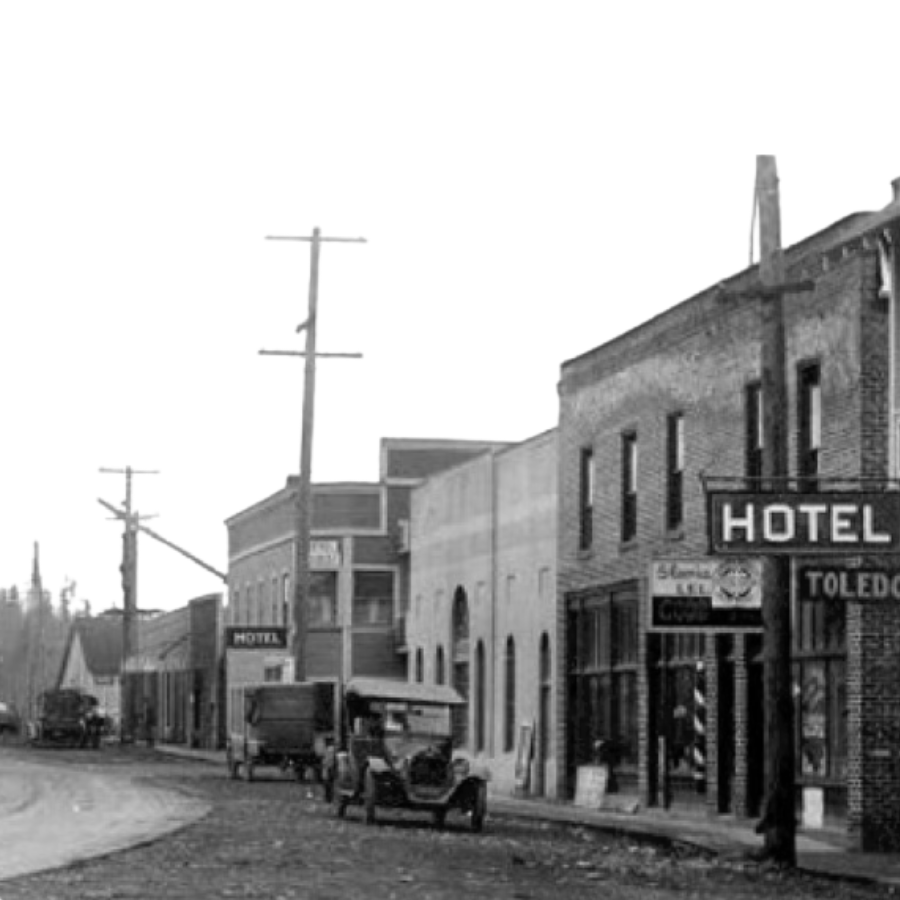
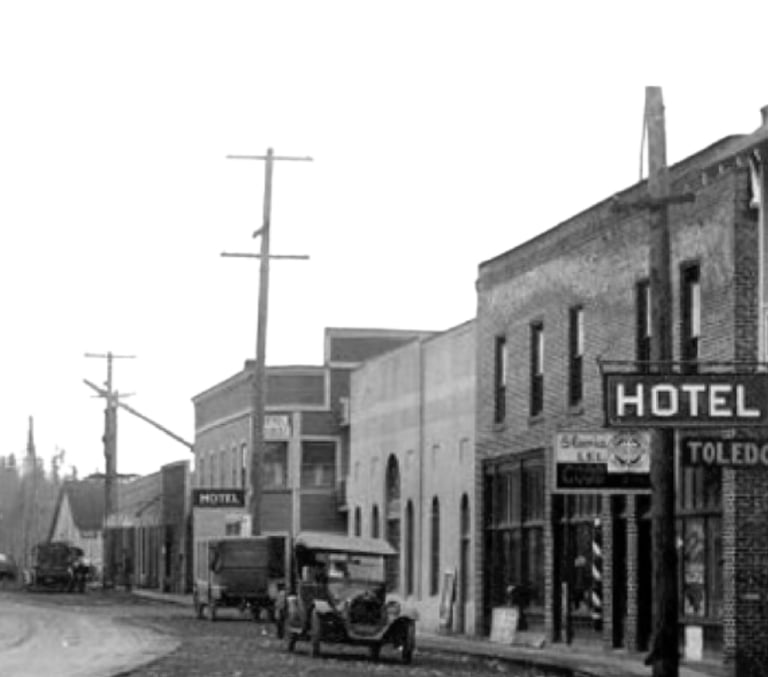
The original Cowlitz Valley Cheese Association's cooperative cheese factory did not last long and was sold in 1926 by a vote of 41 to 1. For $5000 Karlen Creameries Inc., a private capitalist who operated multiple other creameries in Lewis County, took over ownership of the factory. Shortly after that sale, the original St Helens Street factory is said to have burned down. No one knows exactly what happened.
By 1929, Karlen Creameries Inc had built a new factory at 3rd Street and Augustus in Toledo which continued to produce cheese, butter, and powdered milk for another 16 years until ultimately closing in 1945.
Festival's Persistence
As for the Cowlitz Valley Cheese Association’s cheese carnival - that original celebration started in 1919 by a handful of dairymen who broke the mold during post war turmoil and put the production directly into local farmers control - well, Cheese Days lives on to this day. Long after both factories closed, the cheesiest little city in Washington still comes together to celebrate their beloved tradition of hospitality and collaborative community - including cheese sandwiches, of course.
Cheese Days is usually held the second weekend in July annually, with various events coordinated by numerous organizations and businesses in and around the Toledo community.
This website was lovingly created in 2026 to showcase the history of our beloved local tradition.
Questions, comments, additions or corrections may be directed to desk@toledocheesedepot.com